Regenerating Drylands Through
Indigenous Wisdom

Samburu Regenerative Agriculture Farm (SARAF) is a community-rooted social enterprise serving as a dual-hub initiative across Samburu and Marsabit Counties, designed to reflect, respond to, and regenerate dryland ecosystems across Africa.

500+
Farmers Trained
30+
Acres Restored
3
Conservancy Partners
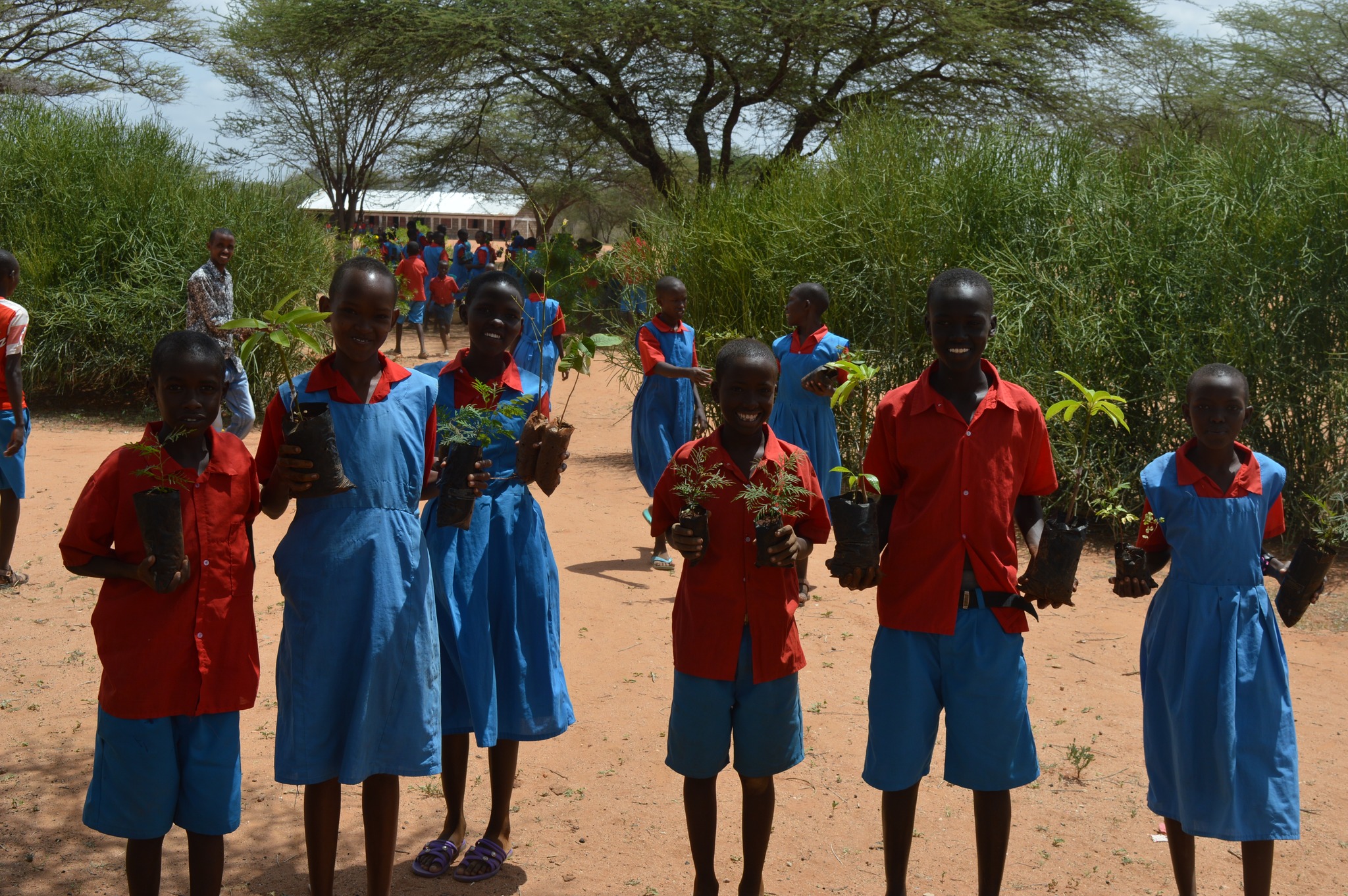
Samburu farmers working in regenerative agriculture
🌱

Pioneering Regenerative Agriculture in Northern Kenya

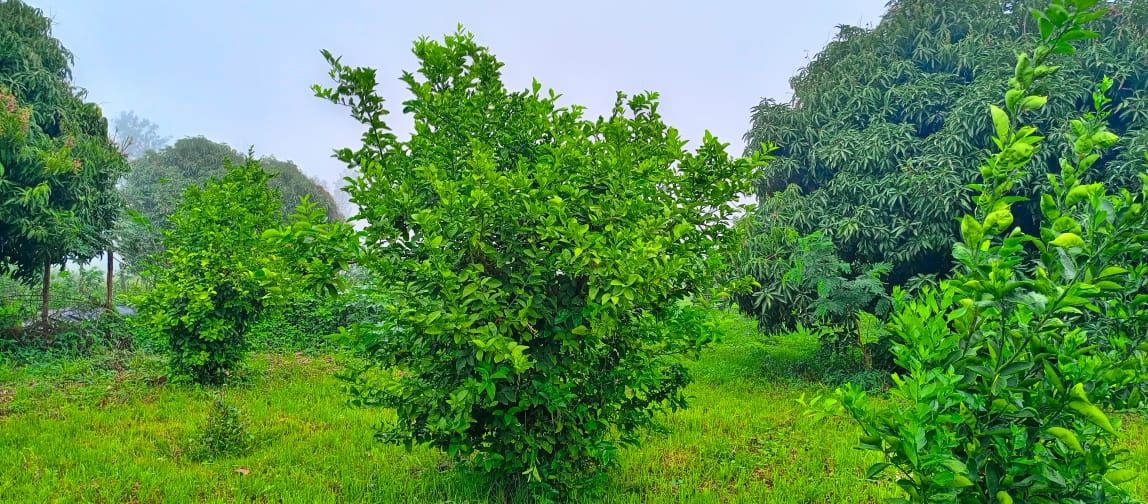
SARAF operates as a dual-hub initiative with our 10-acre Samburu Farm focusing on semi-arid and tropical regenerative agriculture, while our 8-acre Marsabit Farm tests technologies adapted to hyper-arid conditions.

We serve as pioneers in regenerative agriculture, working hand-in-hand with pastoralist and agropastoralist communities to restore degraded landscapes, strengthen local food systems, and build climate resilience.

🎯

Our Mission

To restore degraded drylands, empower communities, and catalyze sustainable livelihoods through regenerative agriculture and ecosystem-based practices.

πŸ‘οΈ

Our Vision

A climate-resilient and food-secure Northern Kenya where communities regenerate land, protect biodiversity, and thrive with dignity.

Samburu community members in traditional farming
πŸ“
Samburu & Marsabit Counties

Our Program Areas

We integrate climate adaptation, conservation, and food system transformation into five core areas of work, each designed to build community resilience.

🌱

Regenerative Land Restoration

Using agroecology, composting, natural mulching, and water harvesting to heal degraded soils and restore ecosystem health.

β˜‚οΈ

Climate-Smart Farming

Promoting drought-tolerant crops, seed saving, integrated pest management, and permaculture principles for resilience.

πŸ‘₯

Community Empowerment

Training women, youth, and elders in sustainable livelihoods while preserving indigenous ecological knowledge.

🦌

Conservation & Culture

Working with community conservancies to blend biodiversity protection with pastoral traditions and cultural heritage.

πŸ“š

Knowledge Sharing

Partnering with NGOs and institutions for peer learning, research, and farmer field schools across the region.

🌿

Botanical Garden

Showcasing Samburu and Rendille medicinal plants, preserving indigenous knowledge and promoting cultural pride.

Blending Indigenous Knowledge with Innovation

1

Agroecological Practices

We promote ecological farming methods that mimic natural ecosystems including intercropping, crop rotation, use of compost and organic manure, and planting indigenous drought-resistant crops.

2

Climate-Resilient Agriculture

Supporting farmers with crops and systems that survive harsh conditions through early-maturing seed varieties, mulching, minimum tillage, and kitchen gardens using greywater.

3

Improved Livestock Breeds

Working with local herders to introduce resilient livestock breeds like Galla goats, Red Maasai sheep, and Sahiwal cattle that are better adapted to dry conditions and resistant to disease.

4

Land Restoration Approaches

Supporting communities through Farmer-managed Natural Regeneration (FMNR), soil bunds, contour lines, tree planting with native species, and enrichment planting in communal grazing areas.

5

Water Harvesting Techniques

Implementing low-cost, effective techniques including Zai pits, sunken beds, swales and terraces, roof water catchment systems, and earth dams to collect runoffs and control erosion.

6

Improved Livestock Pasture

Supporting fodder production using fast-growing, drought-tolerant plants like Cenchrus ciliaris, Desmodium, and Napier grass combined with rotational grazing and seed banks.